
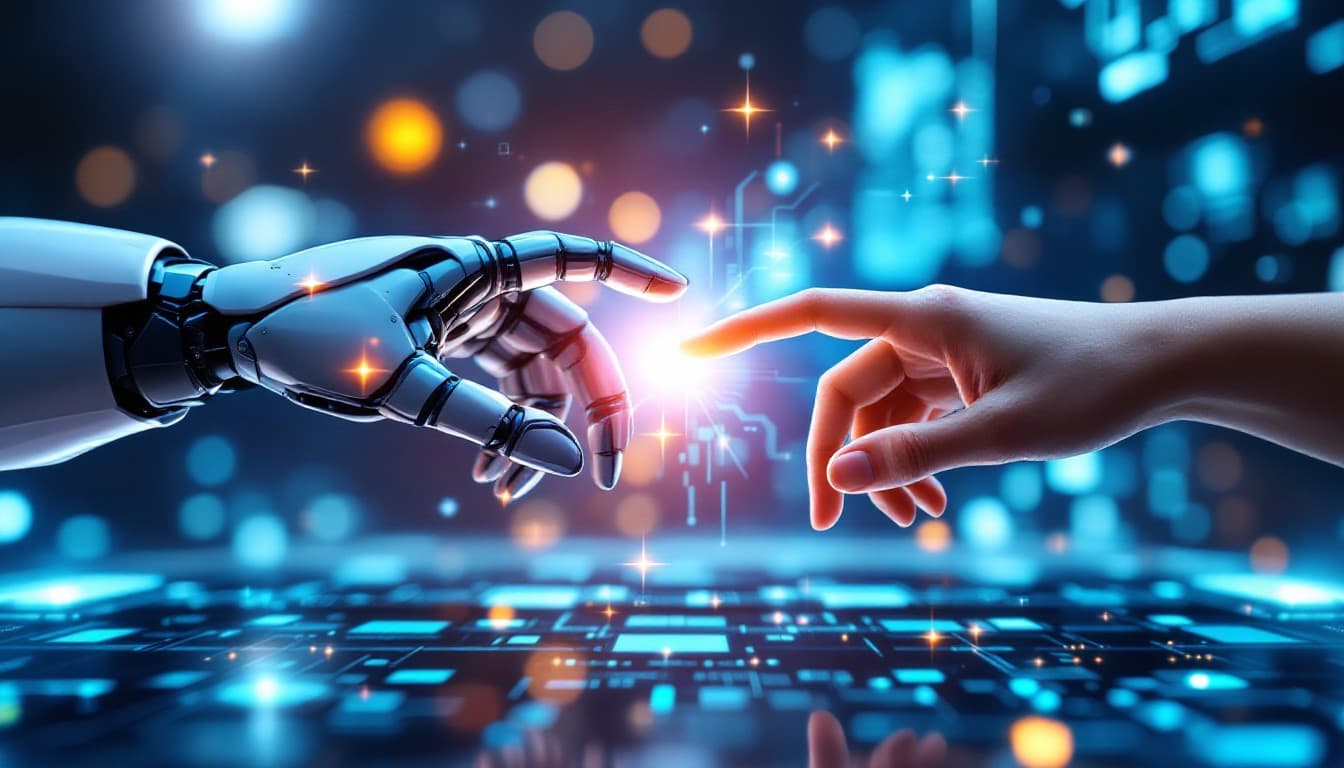
Generative AI is transforming the way content is produced, presenting both opportunities and challenges for creatives. As marketing teams explore this evolving technology, the key lies in balancing AI-generated output with authentic human insight.
From the Internet to Intelligence: A New Technological Wave
While the Internet revolutionized global communication and commerce, it now appears to have been merely the first stage of a much larger shift—the rise of Artificial Intelligence (AI). AI is reshaping nearly every industry, from healthcare to defense, and perhaps most disruptively, content creation.
Generative AI is at the heart of this transformation, prompting widespread debate: will AI replace writers, designers, and artists—or will it become their most powerful tool yet?
AI’s Expanding Role in Content Creation
In record time, AI has begun reshaping the content marketing ecosystem. AI-driven tools can now analyze consumer behavior, market trends, feedback on forums, and product reviews, offering marketers precise, actionable insights. These insights are then used to generate tailored content that fills market gaps and targets segmented audiences with unprecedented accuracy.
Whether the focus is on text, imagery, audio, or video, AI tools empower content creators across industries—retail, media, PR, blogging, podcasting, and more—to produce multilingual, cross-platform content at scale. Tasks like social media scheduling, newsletter writing, and photo editing are now less time-consuming, thanks to automation. However, while AI boosts efficiency, human involvement remains essential for strategic oversight and creative direction.
Balancing Quality and Quantity
Generative AI brings several benefits—cost efficiency, faster workflows, and broader content reach. Yet it comes with clear limitations. AI outputs often include factual errors, grammatical issues, or stylistic blandness. Even premium tools, like advanced versions of ChatGPT, can produce content that lacks emotional nuance and originality.
Prompt engineering can improve results, but requires technical skill, raising questions about how “democratic” and accessible AI tools truly are. Ultimately, a skilled professional is needed to refine and validate AI-generated content, ensuring quality and ethical integrity.
Risks and Ethical Considerations
While AI enhances productivity, it also poses new risks. Narrow contextual understanding, algorithmic bias, hallucinations, and echo chambers threaten the reliability of AI-generated content. Furthermore, the misuse of these tools—spreading misinformation, deepfakes, or spam—presents real concerns for brand trust and societal impact.
Striking the right balance between machine output and human oversight is crucial. Authentic, ethical, and creative content still requires the human touch—at least for now.
The Future of Creative Workflows
Looking ahead, many experts predict that generative AI will become capable of managing end-to-end content workflows autonomously—from ingesting data to publishing content. Such capabilities could revolutionize industries and redefine how content teams function.
Web scraping technologies give AI access to massive troves of publicly available data—blogs, forums, social posts, news articles—enhancing both its factual base and cultural awareness. However, this also raises critical legal and ethical questions. The more data AI consumes, the harder it becomes to monitor for bias, privacy breaches, or unauthorized use of copyrighted material.
AI as Both Problem and Solution
AI is already helping detect and combat the very problems it may cause. Emerging tools can identify artificially generated content and monitor the web for manipulated media. When combined with real-time data tracking, these technologies could offer powerful defenses against misinformation and digital fraud.
Final Thoughts
Generative AI has impressive capabilities, but it’s still limited by the marketer’s ability to ask the right questions and frame precise prompts. While AI enables deeper customer insight and scalable content production, concerns about data privacy, copyright, and manipulation must remain front and center.
AI should inspire—not replace—creatives. It saves time, expands output, and drives innovation, but empathy, intuition, and human creativity remain unmatched. Whether AI will ever truly surpass that human spark is a question only time can answer.
Explore ITech360hub for the latest advancements in AI, IoT, Cybersecurity, AITech News, and insights from industry leaders.