
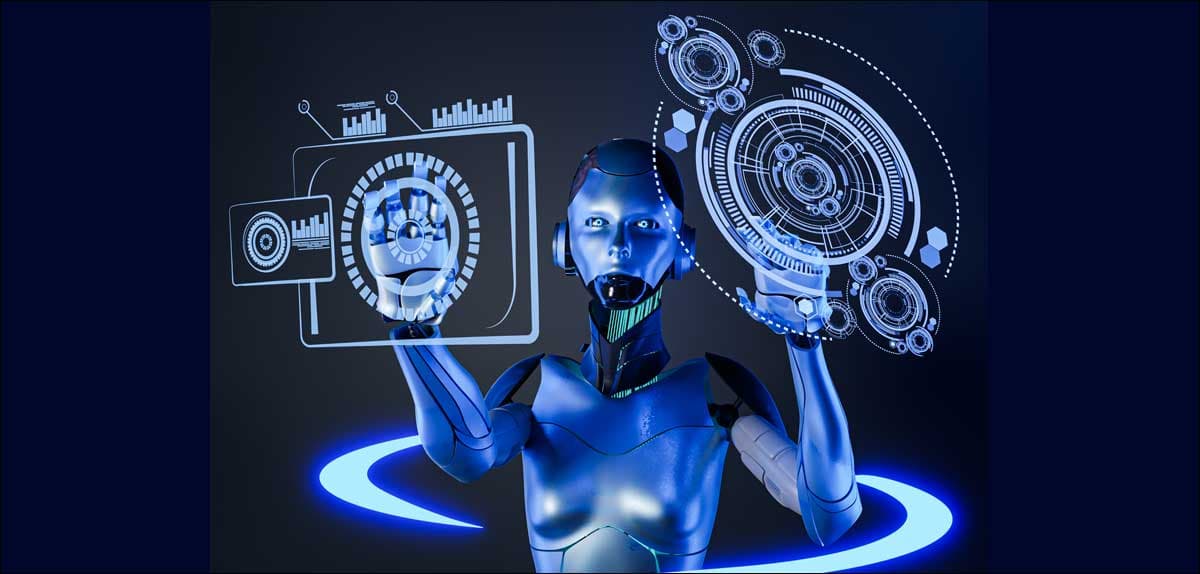
The Engine of Innovation — How AI Drives Digital Transformation
Digital transformation 2.0 is here—and AI is in the driver’s seat. The landscape is no longer just about cloud adoption or digital tools. In 2025, artificial intelligence emerges as the central force redefining how businesses innovate, scale, and compete.
Today’s transformation demands AI-first strategies—where algorithms lead, data fuels progress, and agility becomes a core competency. The real question for leadership is no longer whether AI belongs in the transformation strategy, but whether their business can survive without it.
Table of Contents:
- The Role of AI in Redefining Change
- From Data Lakes to Intelligence Oceans
- AI as Culture, Not Just Capability
- Breaking Silos with Connected Intelligence
- The Governance Imperative
1. The Role of AI in Redefining Change
AI isn’t just about optimizing existing systems—it enables self-learning, adaptive frameworks that evolve in real time. From predictive healthcare to autonomous supply chains, AI allows businesses to pivot faster and with more precision.
According to McKinsey’s 2025 Global Digital Outlook, enterprises integrating AI deeply into workflows are achieving 35–45% faster time-to-insight and reducing operational costs by up to 20%.
This shift is more than technological—it’s a change in mindset. AI is becoming a strategic partner in innovation, helping shape products, decisions, and customer journeys in ways never before possible.
2. From Data Lakes to Intelligence Oceans
In the AI age, it's not just about volume—it’s about relevant, fast, and accessible data. Enterprises must evolve from traditional data lakes to dynamic intelligence fabrics that power every touchpoint with real-time insight.
Organizations adopting this model report up to 40% greater efficiency in analytics and a 50% uplift in AI-powered product recommendations. The goal is to become insight-intelligent, not just data-rich, empowering all departments—not just IT—to leverage AI tools.
3. AI as Culture, Not Just Capability
The real barrier to transformation isn’t technology—it’s culture. Enterprises with an AI-first mindset embed machine intelligence in everything from boardroom decisions to frontline actions.
That includes fostering experimentation, building cross-functional AI teams, and developing AI fluency across all roles. As noted in the 2025 Deloitte AI Trends report, 68% of executives cite lack of integration across teams—not technology—as the top hurdle.
It’s the agile, change-ready organizations that are leading the charge in digital reinvention.
4. Breaking Silos with Connected Intelligence
AI excels at linking disconnected systems, people, and processes. This connected intelligence allows businesses to replace fragmented operations with a unified data ecosystem.
In sectors like retail, AI syncs supply chain logistics with real-time customer sentiment—reducing waste and boosting inventory precision. This illustrates AI’s power not just to support strategy but to co-author it, helping leaders adapt in real time.
Leadership in the AI era demands governing systems of intelligence, not just managing processes.
5. The Governance Imperative
As AI becomes embedded in core operations, regulatory expectations are rising. With frameworks like the EU AI Act and the U.S. AI Bill of Rights, governance is now a strategic imperative.
Leading companies are building ethics committees, publishing transparent model documentation, and conducting regular AI audits to avoid legal and reputational risk. Responsible AI isn’t a feature—it’s a necessity in the boardroom.
Compete, Transform, or Be Left Behind
The future of digital competitiveness lies in AI maturity, not just digital maturity. As IDC forecasts global AI investment to exceed $850 billion by end of 2025, the signal is clear: AI is not a feature of digital transformation—it is the transformation.
For today’s business leaders, the challenge is not whether to adopt AI—but how fast they can restructure their enterprises around it. Because in the age of acceleration, transformation waits for no one.
Want to stay ahead in the AI race? Explore ITech360hub for the latest in AI, IoT, cybersecurity, and tech-driven innovation from global experts.