
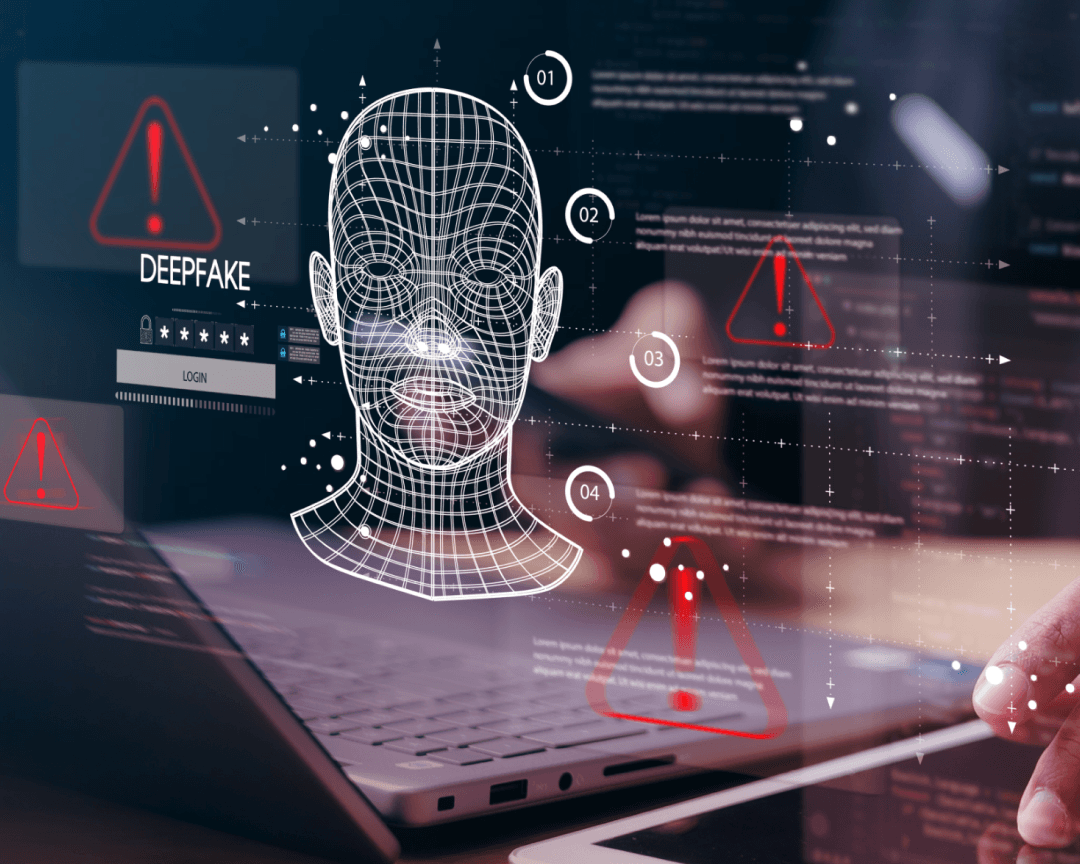
AI deepfake scams have rapidly evolved from niche tech tricks to one of the most pressing cybersecurity threats of 2025. Hyper-realistic voice cloning and deepfake phone scams now target the highest levels of business operations—executives, finance leaders, and deal-makers—disrupting trust and exposing companies to massive financial and reputational damage.
The Deepfake Threat Goes Corporate
With AI now capable of mimicking any voice or face in seconds, authenticity is no longer guaranteed. For C-suite leaders, this represents more than a technical risk—it’s a direct challenge to brand trust, investor confidence, and the integrity of internal communications.
These scams are escalating rapidly. A 2025 GenAI cybersecurity survey reported a 300% year-over-year increase in synthetic media attacks. Financial services, energy, and multinational corporations are being hit hardest, with voice cloning fraud and deepfake impersonation enabling multimillion-dollar heists within minutes.
How the Scams Work
Modern deepfake scams are disturbingly effective:
- Voice cloning fraud tricks CFOs into wiring funds using AI-replicated executive voices.
- Deepfake phone scams hijack negotiations and dealmaking in real time.
- AI-powered phishing creates hyper-personalized attacks indistinguishable from real communication.
- Biometric spoofing defeats identity verification systems at scale.
In one major breach in 2024, a European energy company lost $25 million after a synthetic video and cloned CEO voice persuaded staff to authorize a fraudulent transfer. The attackers weaponized authenticity itself—turning trust into a vulnerability.
Why Traditional Cybersecurity Fails
Conventional defenses like MFA, signature detection, and endpoint security aren’t designed to catch fake identities. They can’t verify whether the human behind the screen is real—or generated by AI.
While security automation is advancing, it still lags behind deepfake tech, which evolves at machine speed. Most companies lack investment in synthetic media detection and AI fraud protection, leaving them dangerously exposed.
How Enterprises Can Fight Back
To stay ahead of deepfake threats, organizations must rethink trust at a foundational level. A proactive defense includes:
- Implementing real-time synthetic media detection in calls, emails, and video meetings.
- Using behavioral biometrics to identify anomalies in user behavior.
- Integrating AI fraud detection into all high-value transactions.
- Verifying identity with signals beyond audio or video—such as interaction patterns or encrypted credentials.
Forward-thinking companies are also joining cross-industry coalitions to share intelligence and develop standardized methods for verifying digital identities in the age of deepfakes.
Rebuilding Digital Trust
This isn’t just a new cybersecurity threat—it’s a redefinition of what trust means in the digital age. As deepfake technology makes it increasingly difficult to discern what’s real, businesses must prioritize authenticity as a strategic asset.
The central question for executives is not if—but when—deepfakes will target your business. The companies that succeed will be the ones that act before trust erodes completely. In a world where every voice or command could be fake, verified truth becomes the ultimate differentiator.
Stay ahead of emerging threats and explore the latest in AI, IoT, and cybersecurity at ITech360hub.