
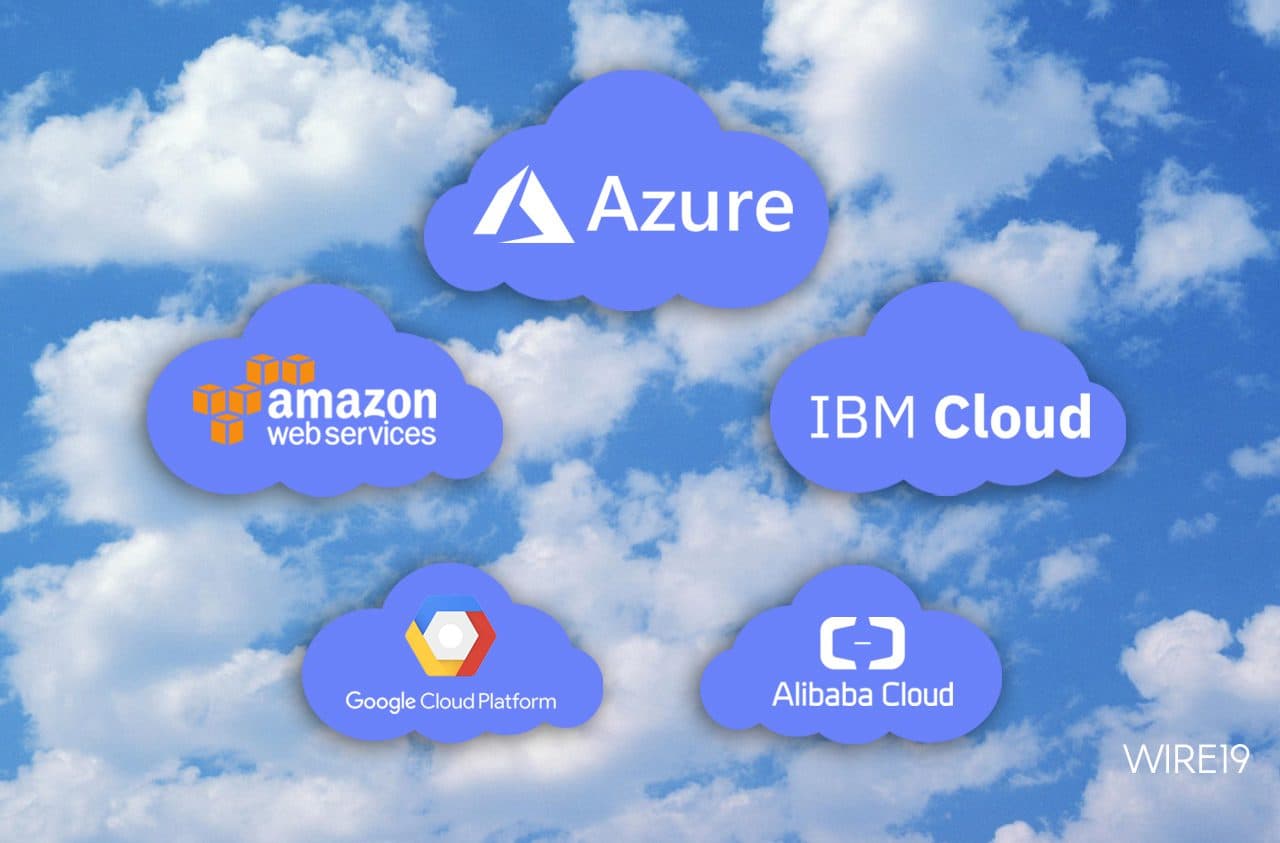
The Cloud Battle Intensifies in 2025
The cloud computing landscape is more competitive than ever. AWS, Microsoft Azure, Google Cloud, and Oracle Cloud continue to vie for enterprise dominance. But which platform truly offers the best value in 2025?
Cloud adoption has evolved from simple migration to strategic decision-making. Businesses now prioritize cost, security, performance, and edge capabilities. Each cloud provider has its strengths—so which one is the right fit for you?
AWS vs Azure: Enterprise Cloud Leaders Face Off
AWS and Azure lead the market with robust computing, storage, and AI offerings. AWS, the original cloud giant, offers global infrastructure and scalability. Meanwhile, Azure leverages deep enterprise integration through Microsoft’s ecosystem.
AWS: Innovation and Scalability
AWS boasts the most expansive infrastructure network, with standout services in AI, machine learning, and serverless computing. Its SageMaker platform is widely used for advanced analytics, while flexible pricing ensures adaptability for diverse business needs.
Azure: Enterprise Integration and Hybrid Cloud
Azure excels with hybrid solutions like Azure Arc and native compatibility with Windows, Office 365, and Dynamics 365. With strong compliance and security features, it remains a top choice for regulated industries.
Feature Comparison: AWS vs Azure
| Feature | AWS | Azure |
|---|---|---|
| Market Share | Largest globally | Second-largest |
| AI & ML | Strong (SageMaker) | Solid (Azure AI & ML) |
| Hybrid Cloud | Limited | Strong (Azure Arc) |
| Security | Comprehensive, complex | Enterprise-ready |
| Cost | Pay-as-you-go | Discounts for Microsoft users |
Conclusion: AWS is ideal for scalable, AI-focused deployments. Azure is the go-to for enterprises already immersed in Microsoft’s environment.
Google Cloud vs Oracle Cloud: Niche Giants in Focus
While AWS and Azure lead in market share, Google Cloud and Oracle Cloud are carving out their own paths. Google emphasizes AI and sustainability, while Oracle dominates in data-heavy enterprise environments.
Google Cloud: AI and Sustainability First
With services like Vertex AI and its Kubernetes leadership, Google Cloud is built for data-centric and cloud-native businesses. Its green infrastructure appeals to sustainability-minded organizations.
Oracle Cloud: Powering Enterprise Workloads
Oracle Cloud thrives in database management and enterprise software. Its support for applications like Oracle ERP and high-performance computing ensures it's a top choice for finance, healthcare, and government sectors.
Feature Comparison: Google Cloud vs Oracle Cloud
| Feature | Google Cloud | Oracle Cloud |
|---|---|---|
| AI & Analytics | Market leader | Basic AI |
| Enterprise Apps | Limited | Strong with Oracle apps |
| Security & Compliance | SOC 2, HIPAA, etc. | GDPR, FedRAMP |
| Database Services | Good | Industry-leading |
| Cost | Sustained-use discounts | Predictable pricing |
Conclusion: Choose Google Cloud for cutting-edge AI and analytics. Pick Oracle Cloud for robust database services and secure enterprise applications.
Edge Computing: The New Battleground
Edge computing reduces latency and enhances real-time performance by processing data closer to the user. All four providers are investing heavily in edge innovation.
Edge Feature Comparison
| Feature | AWS Wavelength | Azure Edge Zones | Google Distributed Cloud | Oracle Roving Edge |
|---|---|---|---|---|
| Low Latency | Great for 5G/IoT | Enterprise optimized | AI/ML optimized | Built for regulated industries |
| Integration | Telecom alliances | Azure-native | AI ecosystem | Oracle Cloud apps |
| Use Cases | Gaming, AR/VR | Smart cities | AI, machine learning | Finance, healthcare |
Final Thoughts: Picking the Right Cloud for You
There’s no one-size-fits-all winner in the cloud wars. Each provider brings unique strengths:
- AWS: Best for innovation, scalability, and AI capabilities.
- Azure: Ideal for hybrid cloud, security, and enterprise integration.
- Google Cloud: Perfect for analytics, AI, and sustainability goals.
- Oracle Cloud: Top choice for data-driven industries requiring high compliance and performance.
Ultimately, your ideal cloud partner depends on your organization’s specific needs and digital transformation strategy. The good news? There have never been more powerful options to choose from.