JPMorgan Maintains London Expansion Plans
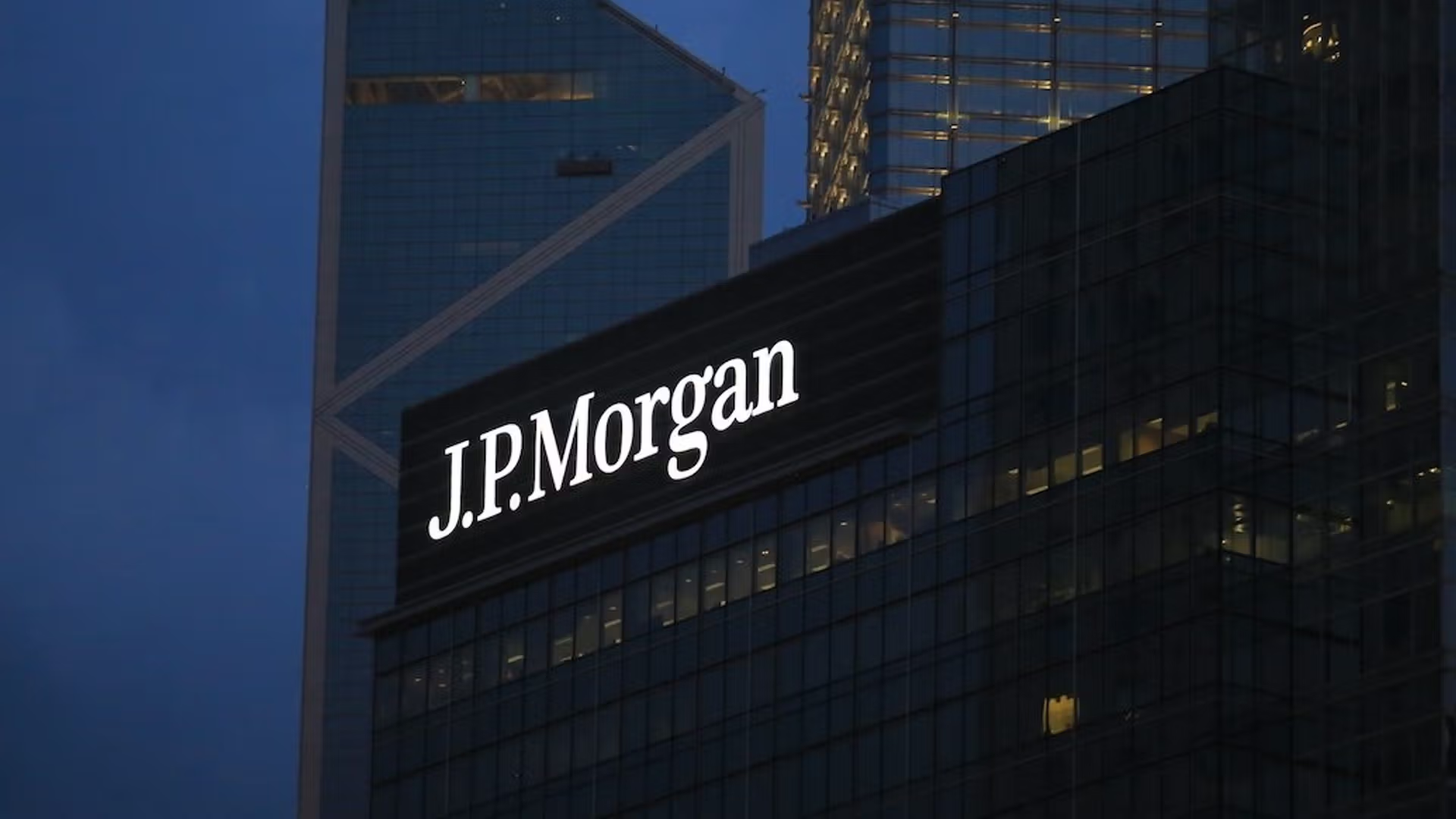
JPMorgan Chase plans to proceed with its proposed £3 billion headquarters in London's Canary Wharf despite the UK government's decision to increase taxes on banks.
The announcement follows Chancellor John Healey's budget on October 28, 2026, in which the government temporarily doubled the bank corporation tax surcharge from 3% to 6%.
According to The Guardian, a source familiar with JPMorgan's decision-making said the tax increase would not derail the headquarters project. The bank remains on track to submit a planning application in the coming months.
The development is significant for London's financial district, where JPMorgan intends to establish a major base for its UK operations.
A Major Investment in Canary Wharf
The planned headquarters will cover approximately 3 million square feet and is expected to accommodate more than half of JPMorgan's 23,000 UK employees.
The project represents a substantial long-term commitment to the UK financial market, supporting office infrastructure and the bank's operational presence in London.
However, the investment had faced uncertainty earlier in 2026. JPMorgan CEO Jamie Dimon had warned that a more hostile tax environment could prompt the bank to reconsider its expansion plans.
The latest decision indicates that, despite its objections to the tax increase, the bank intends to continue with the project for now.
UK Government Doubles the Bank Tax Surcharge
Under the budget measures, the bank corporation tax surcharge will rise from 3% to 6% for a temporary 15-month period, running from January 1, 2027, to March 31, 2028.
The government says the measure will generate additional revenue while remaining time-limited. The change is expected to raise close to £1.5 billion across the banking industry, according to Treasury estimates reported by Sky News.
JPMorgan has criticised the decision, arguing that singling out the banking sector for additional taxes overlooks the industry's contribution to jobs and economic growth. The bank has also emphasised that financial institutions compete internationally for capital, talent and investment.
The government, meanwhile, is seeking to raise revenue while maintaining fiscal discipline and addressing pressure on public finances.
Balancing Tax Revenue and Financial-Sector Investment
The decision highlights a broader policy debate over how governments should tax profitable financial institutions without discouraging investment.
Supporters of higher bank taxes argue that the sector can contribute more towards public spending. Industry representatives counter that additional costs may weaken competitiveness and influence where banks locate staff, infrastructure and future operations.
For London, the stakes extend beyond a single construction project. Large financial institutions contribute to employment, business services and demand for commercial property.
JPMorgan's decision to proceed offers some reassurance that the tax increase has not immediately changed its plans. However, the longer-term impact on investment decisions will depend on the wider tax environment and the UK's attractiveness as an international financial centre.
What the Decision Means for London's Financial Sector
JPMorgan's commitment is an important development for Canary Wharf and the broader UK financial industry. The proposed headquarters would reinforce the bank's physical presence in London despite concerns about rising operating costs.
Nevertheless, the project should not be taken as evidence that all banks will respond similarly to the tax changes. Individual institutions face different financial pressures, business strategies and investment priorities.
The coming months will provide further indications of how banks assess the UK's competitiveness and whether the temporary surcharge affects future expansion decisions.
For now, JPMorgan's position suggests that its long-term London investment plans remain intact, even as disagreements over the cost of doing business in the UK continue.