The collapse of Paraguay's digital lender Ueno Bank has triggered one of the country's most significant financial and political crises in recent years. The bank's failure left millions of customers temporarily unable to access their accounts and contributed to the impeachment and removal of President Santiago Peña.
Ueno had emerged as a major player in Paraguay's financial services sector, attracting approximately half the country's population through its digital banking platform. However, concerns about its financial position and lending practices eventually led regulators to intervene.
Ueno Bank's Rapid Growth and Sudden Collapse
Launched in 2021, Ueno positioned itself as a digital-first banking platform targeting customers underserved by traditional financial institutions.
Its combination of mobile banking services and physical branches helped it expand rapidly. The bank reportedly attracted nearly three million customers in a country with a population of approximately 6.5 million.
Its growing influence also extended into the public sector. Government institutions, including Paraguay's state pension fund, reportedly held significant deposits with the bank.
However, leaked regulatory reports raised concerns about excessive lending to certain companies and potential weaknesses in its financial management.
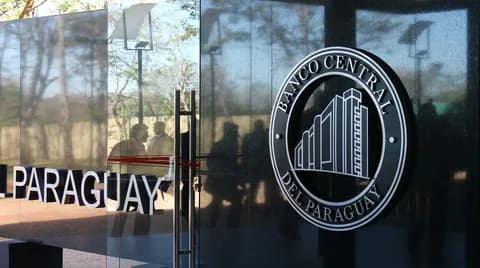
Following growing scrutiny, Paraguay's central bank placed Ueno into resolution after determining that it had breached minimum solvency requirements. The intervention temporarily restricted millions of customers from accessing their savings.
Financial Crisis Sparks Political Turmoil
The banking crisis quickly developed into a political controversy because of alleged connections between Ueno's ownership group and President Santiago Peña.
Peña had previously been a business partner of the group associated with the bank. After becoming president in 2023, he appointed Carlos Carvallo, Ueno's former president, to lead Paraguay's central bank.
These connections raised questions about potential conflicts of interest and regulatory oversight.
Public protests intensified as customers struggled to access their money. Opposition lawmakers also questioned the government's handling of the bank's financial difficulties and the protection of public deposits.
The political pressure culminated in Peña's removal through impeachment proceedings on November 6, 2026. Vice President Pedro Alliana was sworn in as his successor.
President Peña Faces Criminal Charges
Following his removal, Peña faced criminal charges involving alleged breach of trust and administration for personal gain.
He has denied wrongdoing, and his lawyer stated that he would plead not guilty.
Former central bank chief Carlos Carvallo also resigned and faced charges related to the investigation, including allegations involving false public documents and misuse of office.
The legal proceedings are ongoing, and the allegations have not been established as proven facts.
Millions of Customers Affected by the Banking Crisis
The collapse created widespread disruption for individuals and institutions that depended on Ueno for everyday financial transactions.
Paraguay's central bank reported that approximately $160 million had been paid to nearly 1.2 million savers through the country's deposit guarantee scheme as of November 7.
Authorities have promised reimbursement for affected depositors and said the financial crisis is limited to Ueno.
However, the incident has raised broader concerns about financial regulation, deposit protection and the risks associated with rapidly expanding digital banking institutions.
What the Crisis Means for Digital Banking
Ueno's collapse highlights the importance of strong financial oversight as digital banks expand their customer base and become increasingly integrated into national payment systems.
Digital platforms can improve financial inclusion by making banking services more accessible. However, rapid growth must be supported by adequate capital, responsible lending practices and transparent governance.
The crisis also demonstrates how problems at a major financial institution can extend beyond banking, affecting public confidence, political institutions and investor perceptions.
For Paraguay, restoring trust in its financial system and ensuring accountability through the ongoing investigations will be important steps following the crisis.