RBI’s Forex Curbs Disrupt Rupee Hedging Market
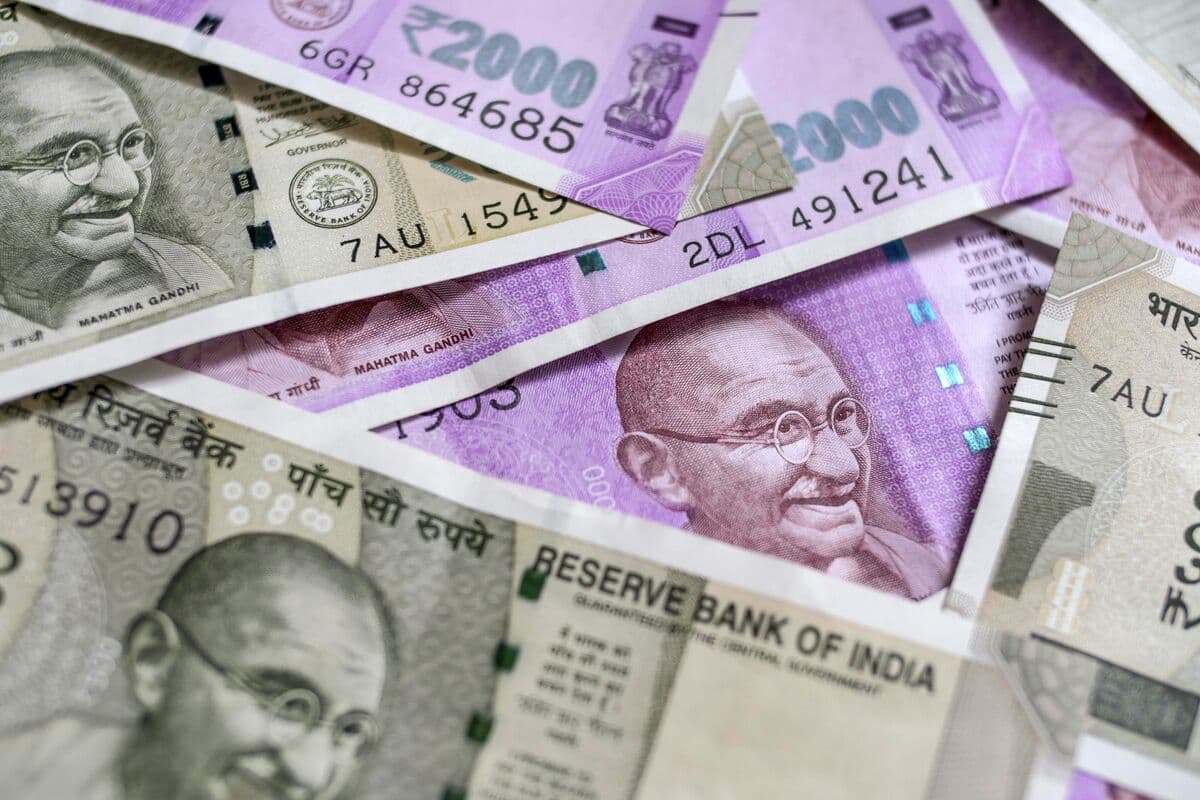
India’s foreign exchange market is facing fresh disruption as recent Reserve Bank of India (RBI) measures aimed at supporting the rupee have pushed up hedging costs and reduced liquidity in the currency forward market.
According to Reuters, the cost of hedging the rupee against the US dollar for one year has climbed to 4.6%, its highest level since January 2022. The increase reflects a sharp mismatch between the cost of protecting against currency movements and the interest-rate difference between India and the United States.
The disruption is making it harder for banks and traders to manage foreign exchange exposures, while businesses that rely on dollar transactions face higher costs to protect themselves against currency fluctuations. <Cite refs={["turn645223news14","turn645223search0"]}/>
Why Are Hedging Costs Rising?
The RBI has introduced tighter rules on foreign exchange transactions as it seeks to support the rupee and discourage excessive speculative activity.
Among the measures are cash-margin requirements on certain forward dollar purchases by companies hedging trade-related exposures and by banks managing their own assets and liabilities. These requirements increase the cost of maintaining some currency positions.
Banks have also been reassessing their trading positions and pulling back from some transactions amid uncertainty over how the revised rules apply. With fewer counterparties willing to trade, market liquidity has weakened and the gap between buying and selling prices has widened.
Reuters reported that the cost of three-month rupee hedging rose to 7.2%, while overnight swap costs also increased sharply.
Onshore and Offshore Markets Move Out of Line
The strain is particularly visible in the difference between India’s onshore currency forward market and the offshore non-deliverable forward (NDF) market.
These markets usually maintain a closer relationship, allowing financial institutions to manage currency risks and traders to respond to price differences. Recent RBI intervention and reduced liquidity have pushed the two markets out of alignment.
As a result, traders are finding it more difficult to unwind existing positions. Some banks that had bet on lower forward premiums are facing pressure to exit their trades, but a shortage of counterparties has made those exits more expensive.
This imbalance could trigger further position reductions and increase volatility if traders continue to cut losses.
What It Means for Indian Businesses
Higher hedging costs could affect importers, companies with dollar-denominated liabilities and businesses that regularly make overseas payments.
Importers often use forward contracts to lock in an exchange rate for future dollar purchases. When these contracts become more expensive, companies may face higher costs for managing currency risk. Businesses could respond by shortening the duration of their hedges, changing their payment strategies or absorbing additional expenses.
The impact may also extend to banks, which need functioning currency markets to manage their own balance-sheet exposures and provide hedging services to customers.
RBI Faces a Difficult Balancing Act
The latest developments highlight the challenge of stabilising the rupee without disrupting the market infrastructure businesses use to manage currency risk.
Although RBI intervention has helped keep spot-market trading relatively stable, stress in the forward market shows that restrictions can affect liquidity and pricing as well as speculative activity.
The longer-term outcome will depend on how market participants adjust to the new rules, whether liquidity improves and how underlying pressures on the rupee evolve.
For businesses operating across borders, the episode is a reminder that currency risk management depends not only on exchange-rate movements but also on the availability and cost of hedging instruments.