
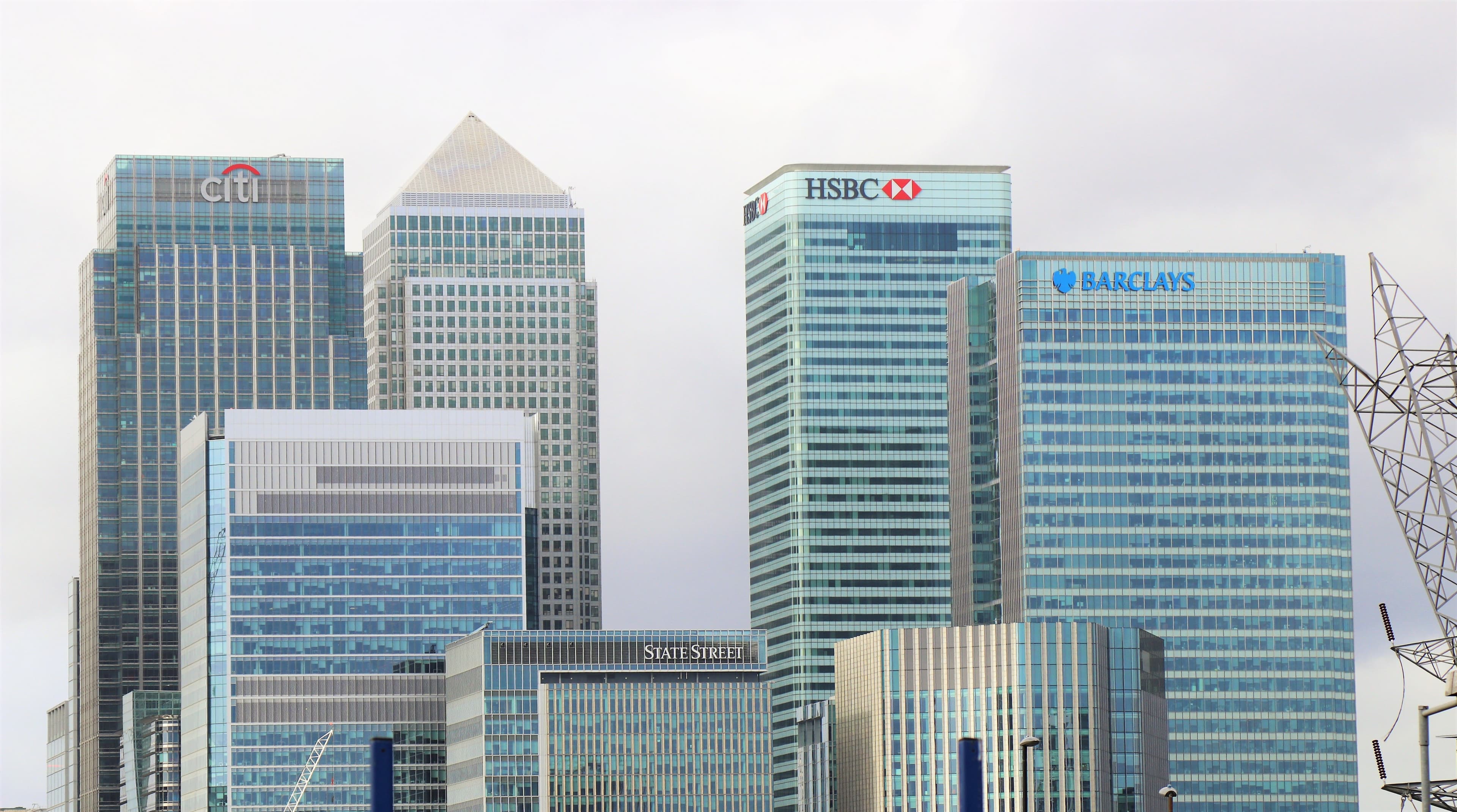
Banks Prepare for Potential Tax Increases in the UK Budget
Major UK banks are preparing for possible tax increases in the government’s upcoming Budget, as policymakers look for ways to manage public finances without raising certain taxes on individuals.
According to BBC reporting, senior banking executives expect the sector to face additional tax pressure when the Budget is announced on October 28, 2026. Finance Minister John Healey has acknowledged the banking sector’s importance to the economy but has not ruled out further taxation.
The debate comes as major UK lenders continue to report substantial profits, prompting calls from trade unions and other groups for banks to contribute more to public finances.
Why Are Banks Facing Higher Tax Pressure?
The government is under pressure to strengthen its fiscal position while maintaining its commitments on personal taxation. Higher taxes on profitable sectors are one potential way to raise revenue without increasing income tax, VAT or employee National Insurance contributions.
The UK banking sector already faces additional taxes, including the Bank Levy and the Bank Corporation Tax Surcharge.
One option under discussion is reversing an earlier reduction in the bank surcharge, which was cut from 8% to 3% when the main rate of corporation tax increased. Restoring the surcharge could generate additional revenue for the Treasury, although the final Budget measures remain uncertain.
Major Banks Report Strong Profits
The debate follows a period of strong profitability for the UK’s largest lenders.
The four biggest banks collectively reported around £15 billion in profits during the first six months of 2026, according to the BBC report. These earnings have strengthened arguments from those calling for additional contributions from the financial sector.
However, banks argue that their existing tax burden is already significant and that additional charges could affect their ability to invest, compete internationally and support businesses through lending.
The disagreement reflects a wider policy challenge: how to raise government revenue without undermining the financial sector’s contribution to economic growth.
Banks Warn of Potential Impact on Lending and Investment
Industry representatives have cautioned that further increases in bank taxation could weaken the UK's competitiveness as a financial centre.
UK Finance, the banking industry trade body, has argued that a less predictable tax environment could discourage investment and job creation. Banks also warn that additional costs could affect the economics of lending to households and businesses.
The potential consequences will depend on the final tax structure, how banks respond and whether additional costs are absorbed by shareholders or passed on through financial products and services.
Possible effects could include changes in lending rates, tighter lending criteria or reduced investment in some areas. These are risks raised in the policy debate, not confirmed outcomes.
What the Budget Could Mean for the UK Economy
The government faces a balancing act between raising revenue, controlling borrowing and supporting economic growth.
Higher bank taxes could provide additional public funds, but policymakers must also consider their effect on credit availability, investment and the UK's international competitiveness.
For businesses, particularly small and medium-sized enterprises, the key issue will be whether any new tax measures affect access to financing or the cost of borrowing.
For investors, the possibility of higher taxes has already drawn attention to the outlook for bank profitability and share prices.
What Happens Next?
The UK Budget on October 28 will clarify whether the government intends to increase the tax burden on banks and which measures it may use.
Until the announcement, the scale and structure of any increase remain uncertain. Banks, investors and businesses will be watching for details on the surcharge, the wider tax framework and the government's plans for balancing public finances with economic growth.
The outcome could have implications beyond the banking sector, influencing lending conditions, investment decisions and the UK's position as a global financial centre.