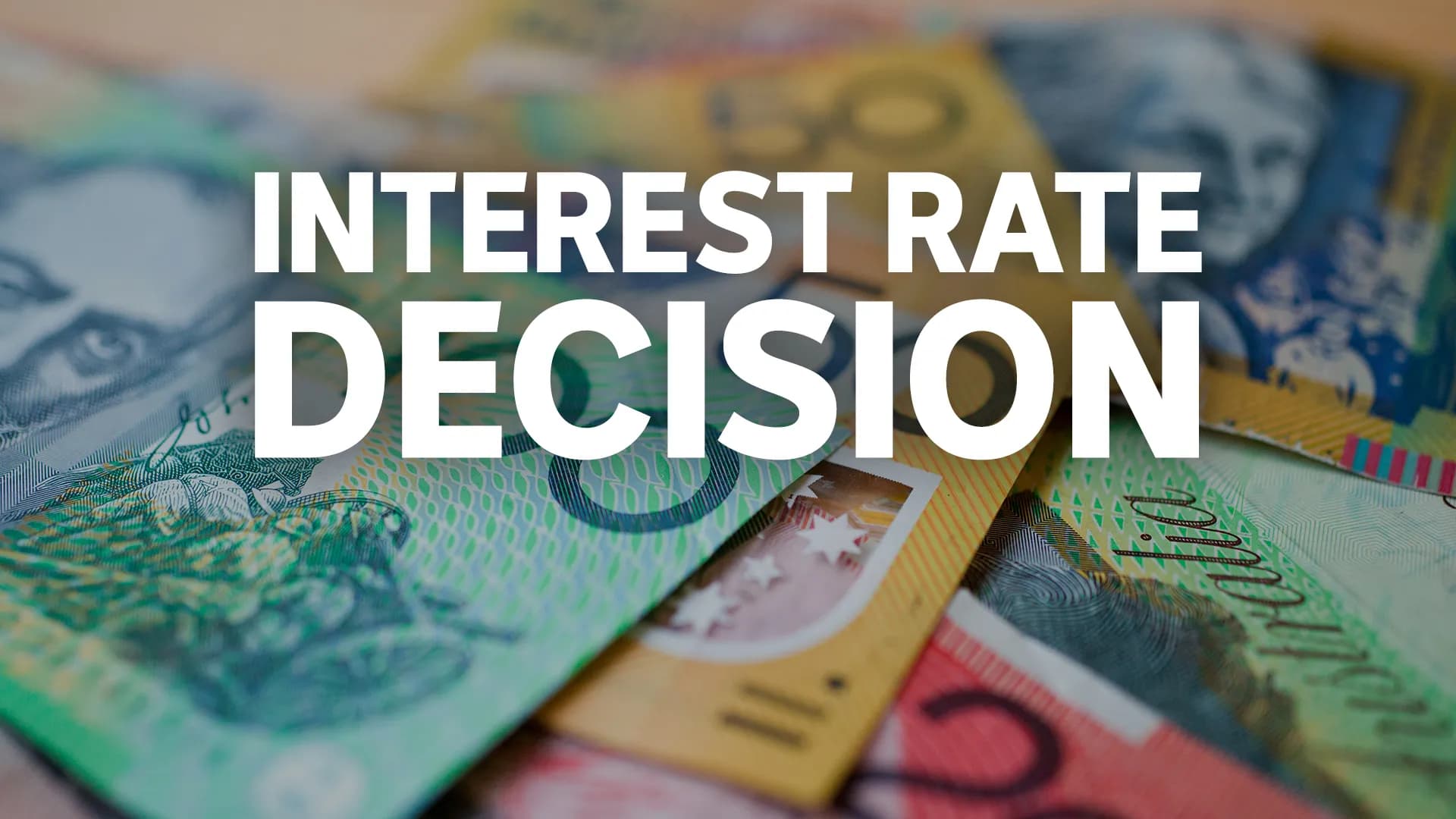
Australia's central bank has raised interest rates to their highest level in 18 years, signalling continued concern over persistent inflation and rising economic pressures.
On November 3, 2026, the Reserve Bank of Australia (RBA) increased its official cash rate by 25 basis points, from 4.60% to 4.85%. This marks the fifth rate increase in 2026 and takes borrowing costs to their highest level since late 2008.
The decision reflects the central bank's efforts to bring inflation under control as higher energy costs, domestic demand and investment in artificial intelligence infrastructure contribute to price pressures.
RBA Delivers Another Rate Increase
The latest decision was not unanimous. Six of the nine members of the RBA's Monetary Policy Board voted to increase the cash rate, while three supported keeping it unchanged at 4.60%.
The central bank said the revised inflation outlook and continuing upside risks made tighter financial conditions necessary to bring inflation sustainably back towards its target.
Australia's consumer inflation exceeded 4% in the year to September, remaining above the RBA's preferred 2–3% target range.
The bank also indicated that inflation could remain elevated through much of 2027, making it difficult to ease monetary policy in the near term.
AI Infrastructure Investment Adds to Economic Pressures
One notable factor in the latest inflation outlook is the growing investment in artificial intelligence infrastructure.
The expansion of AI data centres and related technology infrastructure is increasing demand for technology-related goods and services. Strong investment activity can also add pressure to an economy's available resources and capacity.
Alongside these developments, higher fuel and commodity prices linked to geopolitical tensions in the Middle East have contributed to inflation concerns.
The combination of domestic capacity pressures, energy costs and strong investment has made the inflation challenge more complicated for policymakers.
Higher Interest Rates Put Pressure on Households and Businesses
The latest increase will add to financial pressure on Australian households, particularly those with variable-rate mortgages.
Higher interest rates generally increase borrowing costs, making home loans, business financing and other forms of credit more expensive. Households may respond by reducing discretionary spending, while businesses could reconsider expansion and investment plans.
However, savers may benefit if banks pass on higher interest rates to savings accounts and deposits.
The broader objective is to moderate spending and demand, helping bring inflation down over time.
Economic Growth Faces Increasing Uncertainty
The RBA faces a difficult balancing act: reducing inflation without weakening economic activity too sharply.
Persistent inflation may require tighter monetary conditions, but higher borrowing costs can also slow consumption, investment and employment growth.
The central bank's decision comes amid concerns about falling house prices and the possibility that prolonged financial pressure could affect businesses and household confidence.
Governor Michele Bullock has indicated that the RBA does not expect a recession, although further rate increases have not been ruled out.
The divided board vote also suggests that policymakers are weighing the economic consequences of additional tightening.
What the Decision Means for Financial Markets
The rate increase has implications beyond Australia's domestic economy. Changes in interest rates can influence currency movements, bond yields, investment decisions and international capital flows.
The Australian dollar briefly strengthened above US$0.70 following the announcement before retreating.
For investors, the decision highlights the uncertainty surrounding inflation, monetary policy and the outlook for global economic growth.
Conclusion: Inflation Remains the RBA's Biggest Challenge
Australia's latest rate increase demonstrates that controlling inflation remains a priority despite the risks associated with higher borrowing costs.
The combination of energy prices, domestic economic pressures and expanding AI infrastructure investment presents a complex challenge for policymakers.
The RBA will need to assess incoming inflation, employment and economic growth data before deciding its next move. For households, businesses and investors, the direction of interest rates will remain an important factor shaping financial decisions through 2027.